
AION 2 Gladiator Build Guide: Global PvE, PvP and Solo
AION 2 Gladiator build guide for Global: skill priorities, party role, solo adjustments and PvP decisions, with sources and clear limits.
A useful Gladiator build starts with repeatable melee damage and enough durability to keep attacking through ordinary encounters. It suits players who want to fight close to the enemy without committing to the full defensive responsibility of a Templar.
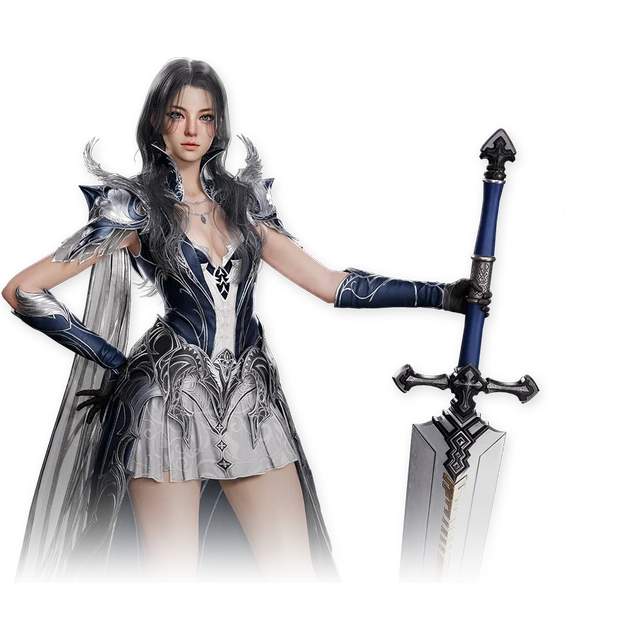
Gladiator class identity. Official NCSOFT media; visual context, not a build interface.
Build around your repeatable attacks
The current Global Gladiator guide at AION2 Vault identifies Rending Blow, Overhead Slam and Ruinous Blow as common core skills. Lunge Stance, Zikel’s Blessing and Rage Burst appear in its offensive Stigma discussion. Check which of these you have unlocked, then learn how the available attacks interact before planning an endgame sequence.
Put early attention into an attack loop you can sustain. An impressive opener followed by empty resources or long inactivity is a poor leveling setup. Keep a recovery or defensive option accessible when you move from forgiving quest enemies to a boss that punishes melee mistakes.
What to practice before your first dungeon
Stand where you can see the boss and the ground near your feet. Melee players lose time when they follow every small movement without checking the next enemy action. Move with purpose, return when the dangerous action ends, and avoid using a gap closer just before you need to escape.
Your priority target also matters. A pack may reward broad attacks, but a dangerous enemy can deserve focused attention even if the overall damage display looks smaller. Ask your party what should die first rather than assuming every pull is an area-damage test.
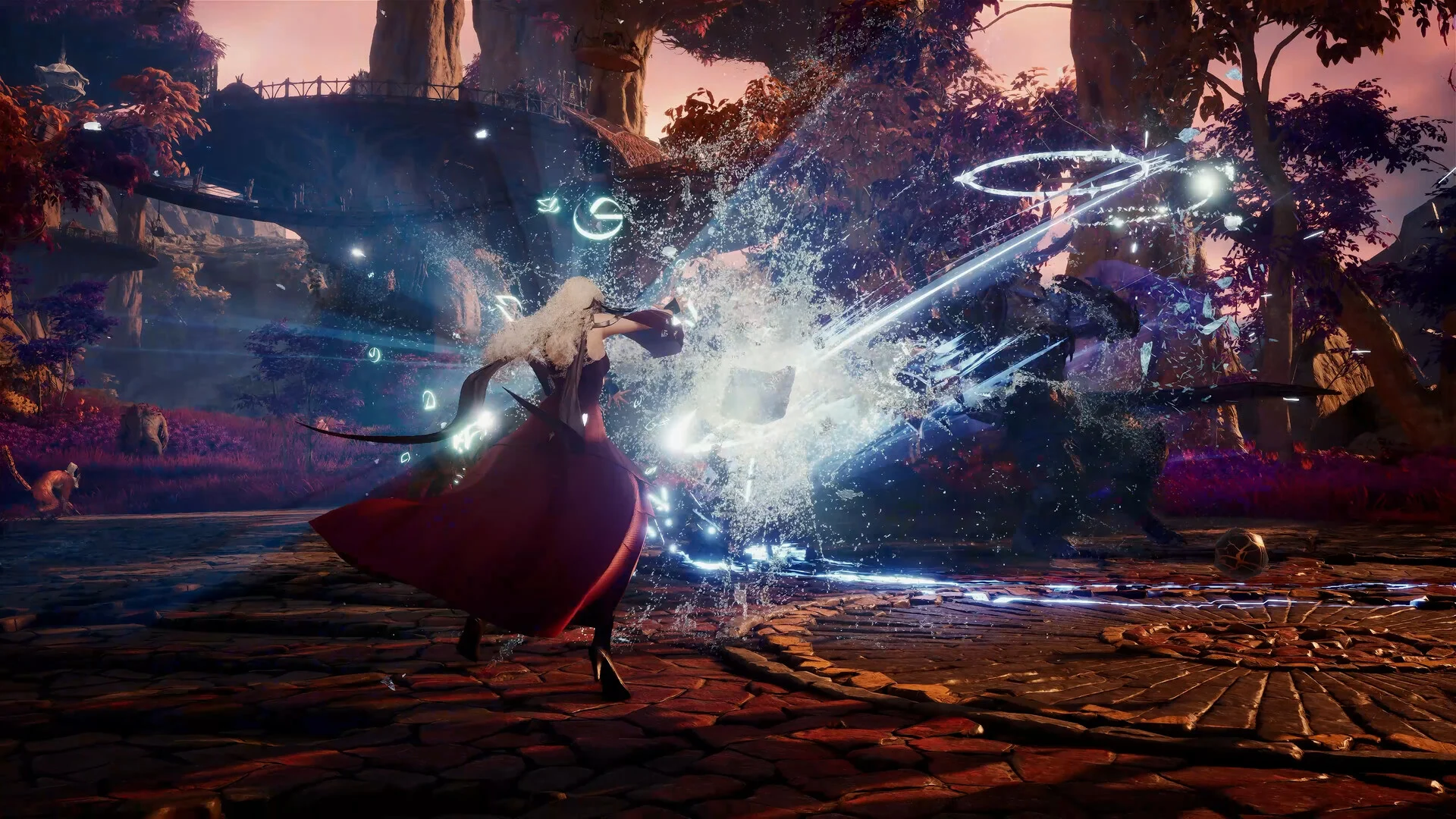
Encounter positioning matters alongside skill choices. Official NCSOFT media; visual context, not a build interface.
Choosing upgrades and Stigmas
Use your current bottleneck to choose. If ordinary packs are safe but slow, strengthen attacks you use on every pull. If you keep dying while closing distance, preserve a defensive choice and improve your approach. If you regularly run out of resources, inspect the generating part of your loop before buying a different piece of equipment.
Treat a community build as a profile with assumptions: character progression, content type, unlocked specialties and player execution. Copying the final skill ranks without those assumptions can leave you unable to use the sequence as described. Test a replacement one at a time against the same type of enemy.
Off-tanking and party expectations
A durable melee class is not automatically a replacement for a dedicated defensive setup. If the group expects you to control enemy attention, discuss that before the pull and bring the appropriate tools. Do not let a party discover your purely offensive configuration after the boss turns on its healer.
A Cleric helps recover from damage, while a Chanter brings a different support mix. Having both does not excuse ignoring ground hazards. Reducing unnecessary damage gives those players more freedom to contribute elsewhere.
Solo and PvP choices
For solo play, our S rating reflects a comfortable mix of durability and damage. It does not promise the quickest possible leveling record. Choose pulls that leave room to move, then increase their size only after you can finish without long recovery breaks. Combine questing with nearby Essence Extraction rather than interrupting progress for an inefficient dedicated farm.
In PvP, commit with a plan. Pressure is useful when allies can follow it; an isolated charge can make you the easiest target. Keep a route back to your team, watch for the opposing group’s defensive response and be ready to stop chasing.
Compare all three modes on the AION 2 tier list. Gladiator’s A group-PvE rating means reliable usefulness, while its solo S rating answers a different question: how forgiving the class feels when you are playing alone.
Open-world context for adapting your solo setup. Official NCSOFT media; visual context, not a build interface.
Sources and review scope
Reviewed October 14, 2026 for the Global launch context. Skill names above come from the linked Global specialist guide; situational advice is our editorial synthesis. NCSOFT’s Global site is the authority for announcements. Verify changed effects in your current client and use Global Gaming Tools to inspect available skills.
Related Articles
classes
AION 2 Assassin Build Guide: Global PvE, PvP and Solo
AION 2 Assassin build guide for Global: skill priorities, party role, solo adjustments and PvP decisions, with sources and clear limits.
classes
AION 2 Chanter Build Guide: Global PvE, PvP and Solo
AION 2 Chanter build guide for Global: skill priorities, party role, solo adjustments and PvP decisions, with sources and clear limits.
classes
AION 2 Cleric Build Guide: Global PvE, PvP and Solo
AION 2 Cleric build guide for Global: skill priorities, party role, solo adjustments and PvP decisions, with sources and clear limits.
Was this helpful?
Thanks for the feedback!